
Concrete driveway building
Narrow side driveways are common here, so we plan how the truck and wheelbarrows reach the back, dig out the old base and pack new stone before the pour.
K&R Somerville Concrete Construction is a concrete contractor based in Somerville. We pour driveways, patios, steps, walkways and foundation work for Cambridge homeowners and small landlords, and I stay on each job myself.
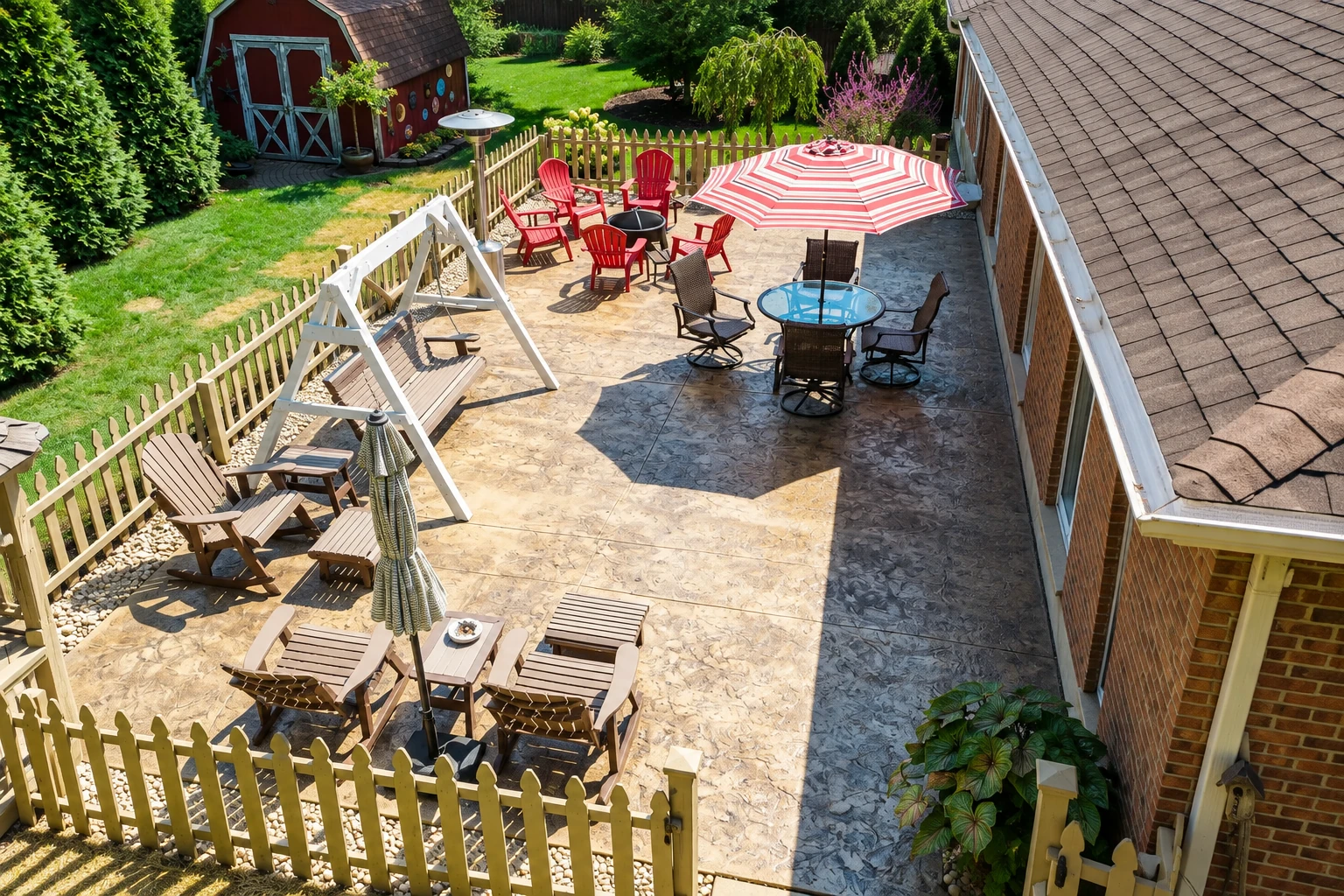
Most of what we pour in Cambridge sits on older houses set close together: a narrow driveway along the side, front steps that come right down to the sidewalk, a backyard you reach through a gate. A lot of our calls come from homeowners and small landlords with two- and three-family houses. We're based right next door in Somerville and do the same work in Medford and Arlington.
On a lot like that, the price usually turns on how much old concrete has to come out, how far we wheel new concrete when the truck can't reach the back, what the base and drainage need, and the finish you pick. The schedule turns on the permit check, the weather and curing, the days new concrete needs to harden before it takes feet and then a car. I come out, measure, talk it through with you and then send the estimate with your number on it.
The city's Inspectional Services Department enforces the building code here, and it's where we check before we settle a plan. If your house is in a historic district or a neighborhood conservation district, is a designated landmark or carries a preservation restriction, the Cambridge Historical Commission has to approve the work too, so I ask about that on the first visit.
The subgrade, what the slab sits on, gets hidden and is the first thing people want to cut. We dig it out and pack it, because concrete on raked dirt settles with the dirt.
With houses this close together, a slab that tips toward the foundation sends rain into your basement. We check where water runs before we set the forms and pitch the slab away from both houses.
Midday summer heat dries the top before the concrete under it is ready, which leaves a weak, dusty surface later. We start pours early so the finish has time to set right.
Narrow side driveways are common here, so we plan how the truck and wheelbarrows reach the back, dig out the old base and pack new stone before the pour.
Backyard patios here are often reached only through a gate or an alley, so we wheel the concrete in and slope the slab to send rain toward the yard.
Stamped concrete presses a stone or brick pattern into the fresh surface. We use it on patios and walkways where it suits the house and talk through the resealing it needs later.
Front walks are usually short runs from the steps to the street. We break out heaved sections, rebuild the base and leave a broom finish, a brushed texture that grips when wet.
Older detached garages often have cracked, sunken floors. We break out the old slab, fix the base underneath and pour a new floor that slopes toward the door so water runs out.
Colored, stained or exposed-aggregate finishes can tie a new walk or patio to an older brick or clapboard house. We show you samples first, because concrete color is hard to change later.
Where a yard steps down to a neighbor's lot or a driveway, we pour walls on proper footings with drainage behind them, so water doesn't build up and lean the wall out.
Basement and interior slabs go in once the old floor is out and the ground beneath is packed. We work through tight bulkheads and stairways, which sets how fast concrete gets in.
Pool decks need a surface that drains quickly and isn't slick underfoot. We pitch the deck away from the pool and the house and pick a texture that grips with wet feet.
Front steps here often meet the sidewalk with little room to spare. We set rebar, steel bars that hold the concrete together, and form every step the same height so nobody trips.
Additions and garages on small lots often sit on a slab foundation. We dig out, pack the subgrade, set the steel and pour, coordinating with the other licensed trades the job needs.
Foundation walls for additions and rebuilds go in close to neighboring houses here, so we plan the dig, the forms and the truck access before anything starts.
Small landlords often need a few spaces behind a two- or three-family house. We grade the lot so water drains off it, then pour slabs thick enough for daily car traffic.
Decks, porches and small additions rest on footings, the concrete pads that carry their weight down to firm ground. We dig each one to the depth the plans call for.
When an older house has settled, raising it means lifting it carefully and building new support underneath. I look at it first and tell you plainly whether raising is the right fix.
We saw-cut old slabs and walls for new doorways, drain lines or a clean edge where new concrete meets old, so the break stops where you want it.
Send the form and we'll reply within one business day. I come out, measure, talk the job through with you and then send the estimate, with no pressure to book.
I come out to look at the job myself and stay on it through the work, so the person who measured your driveway is the one watching the pour.
When a permit's paperwork is ours to file, we file it and keep it moving. When it's yours, we tell you what to bring so the job isn't held up.
On close-set Cambridge streets, the truck, the noise and the mess land on the neighbors too. We keep the work area tidy and leave the site cleaner than we found it.
These are the questions Cambridge homeowners ask us before a driveway, patio or steps job, from permits to who can do the work.
It may, which is why we ask the city before we settle the plan. The work the city names as needing no building permit is ordinary repairs, as the Building Code defines them, and sheds under 120 square feet. When a permit is needed, a building inspector issues it, and it has to be in hand before work starts and posted in plain view on site.
Building permits in Cambridge go to construction supervisors licensed by the city or the state, and to homeowners working on a one- or two-unit house they live in or plan to live in. We settle which of us applies at the first visit, so nothing waits on paperwork once the crew is booked.
Yes, if your house is an existing, owner-occupied home with one to four units. Massachusetts requires contractors and subcontractors who bid on or do work there to be registered as Home Improvement Contractors. For work estimated at $1,000 or more, the law also requires a written contract between you and the contractor with specific terms in it.
In residential areas, the city allows construction Monday through Friday from 7 a.m. to 6 p.m. and Saturdays from 9 a.m. to 6 p.m. Sunday and holiday work needs a special permit from the Police Department. A pour can't stop halfway, so we book the truck early enough to finish placing and smoothing inside those hours.
Usually not the way the old one did, if the base and the joints are done right. Random cracks mostly come from a base that settled or joints cut late or skipped. We pack the base first and cut control joints, shallow grooves that give concrete a planned place to crack as it shrinks, so any cracking tends to follow lines we chose.
These are the cities with their own page on our site, not the only places we work. If your address isn't listed, call or send the form and ask.
Concrete is hard to undo, so call (617) 284-0921 or send the form and we'll talk through the plan before anything gets poured.