Full basement foundations
When you want usable room below the house, we dig out and pour the footings and walls for a full basement, which takes more digging but gives you real space down there.
Planning a new house, an addition or a basement on a tight lot? We help you choose the foundation and build it to stay put.
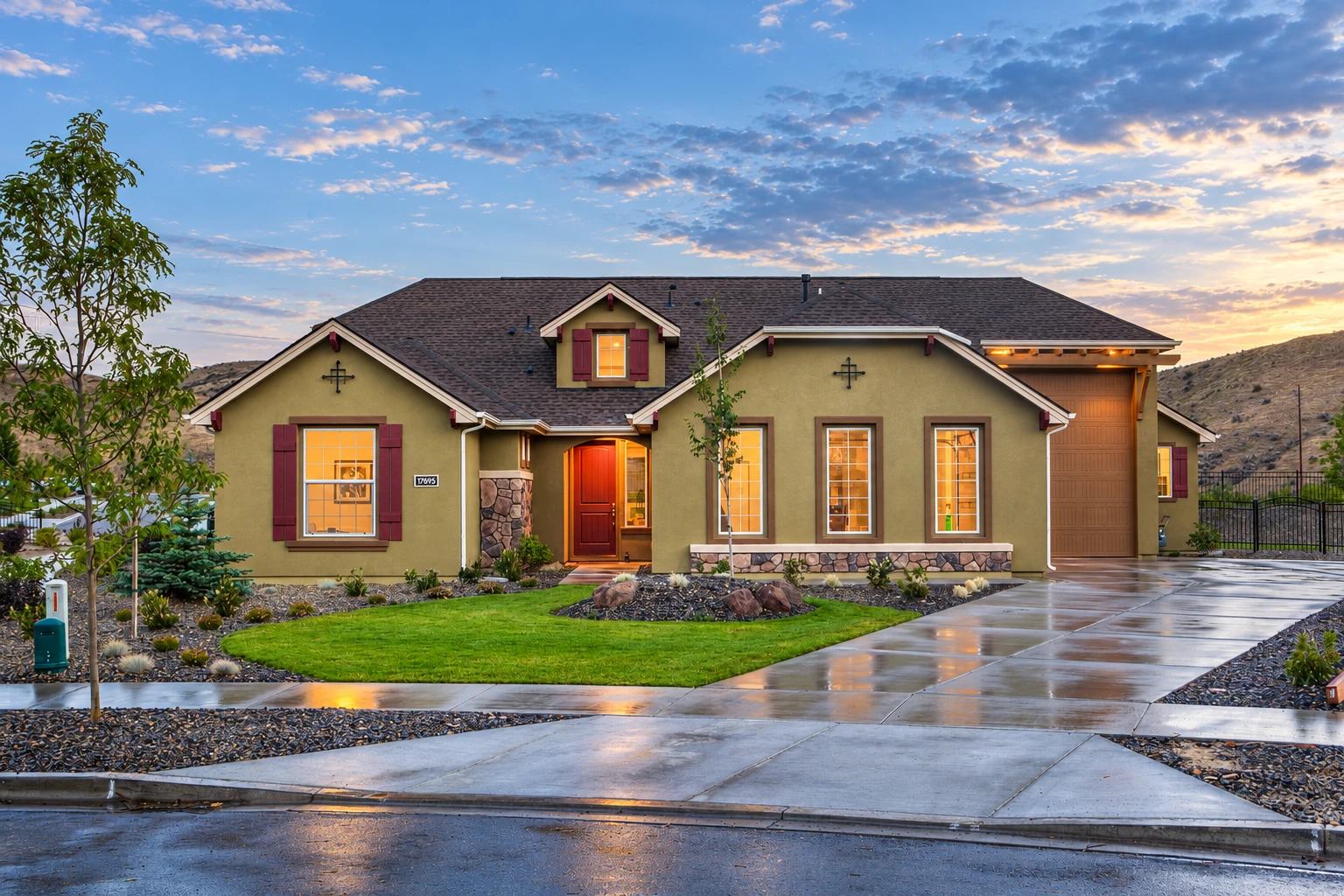
Foundation installation in Somerville means building the base your house stands on, usually a full basement, a crawlspace or a slab poured right on the ground, so the walls and floors above stay level and dry.
The price mostly comes down to the type and size of the foundation, how deep we dig, how much soil has to leave the site and how hard it is to get a machine onto a tight city lot. The schedule usually turns on the permit, any historic review and the weather. I look at the job, measure and talk it through with you, then send the estimate for your job.
We're based in Somerville and work across the cities around it. We're fully licensed and insured, with satisfaction guaranteed on every job, and we check with the city's building office early, before we settle the plan, because a foundation needs its permit sorted before anyone digs.
I look at the job myself and stay on it through the work, so you have one steady person to ask from the first measurement to the last load of dirt.
Before we pour, I walk you through the foundation type, what's going underneath and where the water will go, because concrete is hard to undo once it sets.
Most of our foundation work sits on tight lots with neighbors close by, so we plan where the dirt, forms and trucks go and leave the site cleaner than we found it.
It starts with choosing the type. I help you weigh a basement, a crawlspace or a slab against your lot and how you plan to use the space, because the option that looks cheapest on paper isn't always the one that fits the house you want to live in.
Then our crew digs out and pours the concrete footings, the wide pad the walls sit on, and we take our time on what's underneath and where the water goes. A foundation drain belongs beside the footing, not on top of it, so water moves away instead of collecting at the seam where the wall meets the footing. Nobody sees that work once the dirt goes back, and it's the last place I'd cut to save money.
We hold off on backfill, the soil pushed back against the outside of the walls, until the walls are braced or tied in properly, because dirt piled against a wall that isn't held can push it out of line. That kind of patience runs through all our work, from foundations to driveways and concrete parking lots for small landlords, and on a foundation it's the step you can't go back and redo.
When you want usable room below the house, we dig out and pour the footings and walls for a full basement, which takes more digging but gives you real space down there.
A crawlspace lifts the house on short walls, leaving a low space underneath for pipes and wiring, and it usually means a lot less digging than a basement on a tight lot.
A slab-on-grade is concrete poured flat on packed ground with no space underneath, and it's a common pick for additions, garages and small buildings where the ground is fairly level.
When you're adding onto an existing house, we plan how the new foundation meets the old one and line up the other licensed trades the job needs, so you still deal with one person.
Send the form and we'll reply within one business day to set a time. I come out, measure, talk the job through with you and then send the estimate, free and with no pressure to book.
Tell us the address and whether it's a one-, two- or three-family house, because in Somerville that decides who applies for the building permit and how we plan the paperwork.
If the property sits in a Local Historic District, say so up front, since that adds a separate city review and we'd rather plan around it from the start.
A basement for living space, a crawlspace or a slab under an addition all start differently, so a line about your plans helps me bring the right questions.
These example photos show wall forms, basement walls, slabs and finished concrete surfaces, so you can point to what you have in mind.
Here are the questions homeowners usually ask about permits, oversight, basements and cracks before a new foundation goes in.
Yes. The city's Inspectional Services Division issues the building permit, and anyone building or altering a structure gets it before work starts. An owner living in a one- or two-family home may get it, but a three-family or larger property needs a licensed contractor to apply. If the paperwork's ours, we file it. If it's yours, we tell you what to bring.
On a one- or two-family home, the state requires a licensed construction supervisor or a registered design professional to oversee the work. A contractor working on an existing, owner-occupied home with one to four units must also be registered as a Home Improvement Contractor. We're fully licensed and insured. If you plan to lead the work yourself, ask about the homeowner exemption first.
It can be, if you'll use the space. Basements tend to suit steeply sloping lots and climates with cold winters, and the deeper digging adds cost, so the real question is whether comfortable, livable space below the house is worth that to you. It's worth settling before the estimate, since it changes nearly everything that follows.
Usually not. Foundation industry guidance says most cracks are no cause for alarm, and that cracking can be significantly reduced or controlled, though not prevented, when its causes are planned for. It's fair to ask any contractor what they do to keep cracking down, and I'd rather explain ours before we pour than after.
They can. If the property is in a Local Historic District, or the job means demolishing a building 75 years or older, you'll need a separate Historic Permit through the city's CitizenServe portal. Somerville also requires new ground-up construction and major renovations to meet the Specialized Stretch Energy Code, which matters if your foundation is part of a new house or a big rebuild.
Call (617) 284-0921 or use the form, and with your address and home type I can look into the city's requirements before I come out.